Sterilising heat-sensitive materials can be tricky. Standard high-heat methods, such as autoclaving, can melt and warp sensitive materials such as plastics, electronics and biological compounds.
High thermal energy can break down polymers and active pharmaceutical ingredients, to the point where the materials become too degraded to be useful.
However, alternative methods for sterilising heat-sensitive materials are becoming more viable. While laboratory operators still face obstacles such as chemical residue, slow throughput and high costs, alternative sterilisation methods are improving.
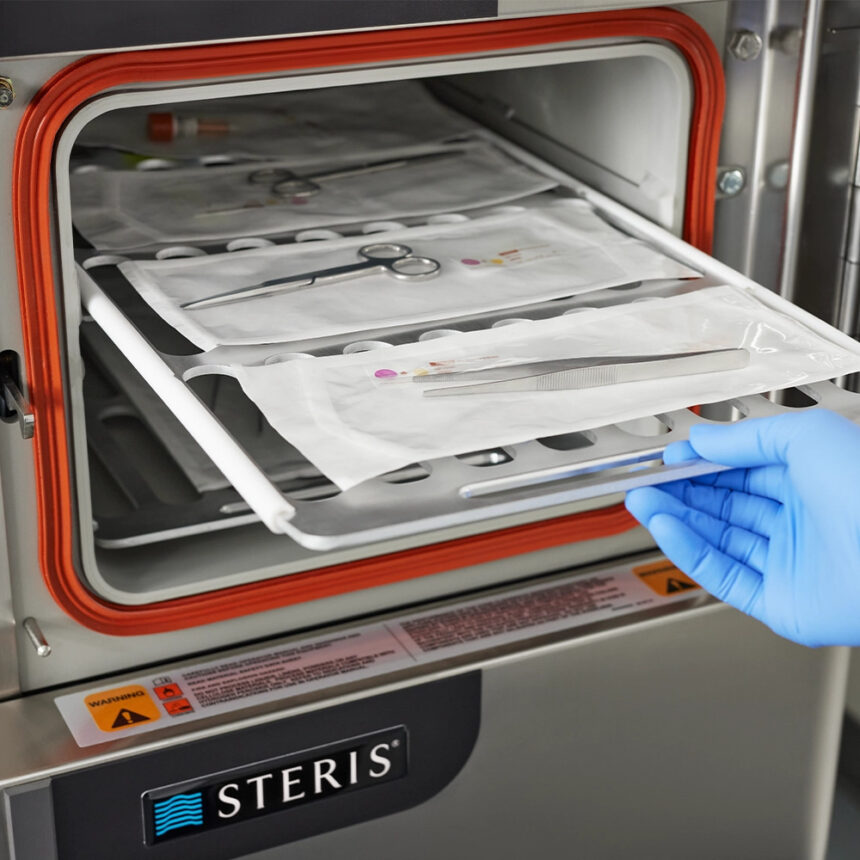
Earlier this year, for example, medical equipment company Steris launched the VHP LTS60 low temperature steriliser in North America. The VHP LTS60 is a compact terminal surface sterilisation system designed specifically for heat-sensitive materials.
“The VHP LTS60 gives our customers a repeatable, reliable option for low-temperature terminal sterilisation,” said Andrea Conroy, VP of marketing and technical services for equipment and service at Steris.
The 22.5” wide system integrates into confined areas and features a hands-free loading mechanism. The Class A sterilisation modality supports both preconfigured and configurable cycles. It is designed to be used with Vaprox 59 hydrogen peroxide sterilant cups.
A global launch of the VHP LTS60 is expected later this year.