These synthetic nanodiscs can produce full-length membrane proteins with high purity and solubility in aqueous solutions
Biotechnology company Amsbio has introduced a range of synthetic nanodiscs last month that enable preparation of multi-pass transmembrane proteins in their active form.
Membrane proteins account for over 60% of all FDA-approved drug targets and 90% of antibody-based drug targets.
Many standard sample preparation methods confront challenges while obtaining water-soluble and bioactive forms of multi-pass transmembrane proteins.
Traditionally, one way around this is by using detergent to produce multi-pass transmembrane proteins. However, the detergent cannot be completely removed, which can be a problem for downstream applications, where detergent could interfere with experiments or protein structure.
Other traditional methods include using peptides derived from the N-terminus or extracellular loops, or using membrane fractions, whole cells or VLPs. However, transmembrane proteins prepared this way may not retain structural features or could result in high levels of non-specific antibody background.
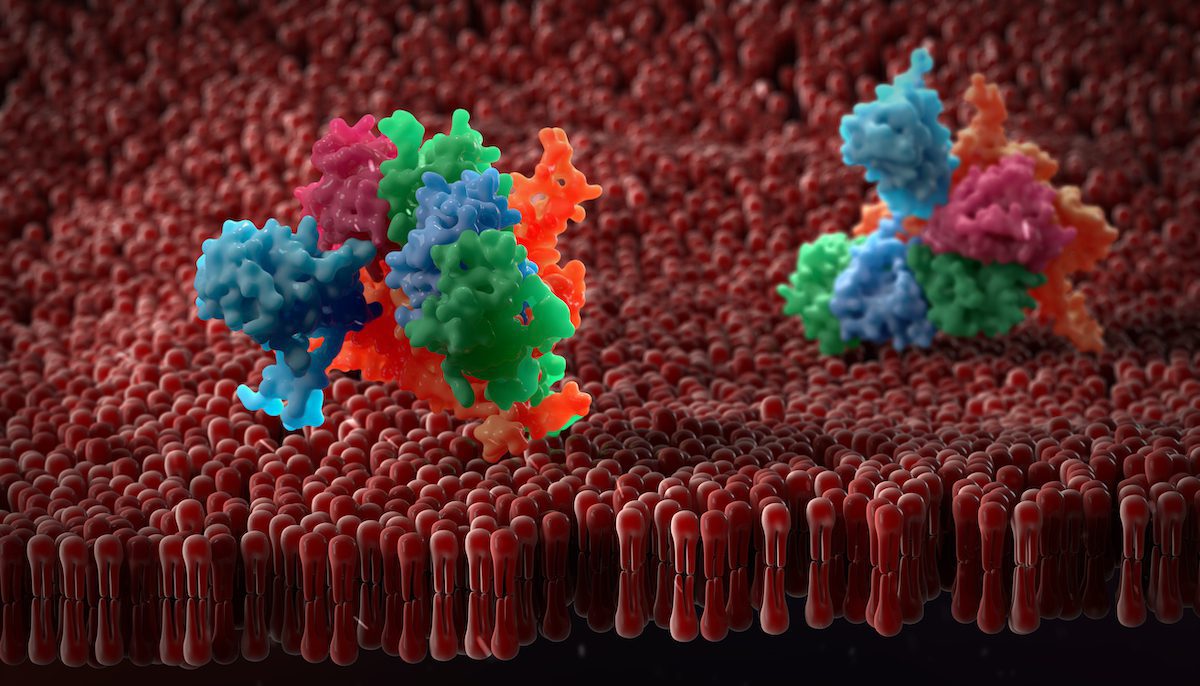
Amsbio’s synthetic nanodiscs can produce full-length membrane proteins with high purity and solubility in aqueous solutions.
The proteins incorporated into synthetic nanodiscs are in a native membrane environment, ensuring they remain biologically active.
The products are suitable to use in cell-based assays and other experiments because there is no detergent present.
Synthetic nanodiscs eliminate the need for membrane scaffold proteins, creating a streamlined cleaner system with reduced interference in downstream assays.