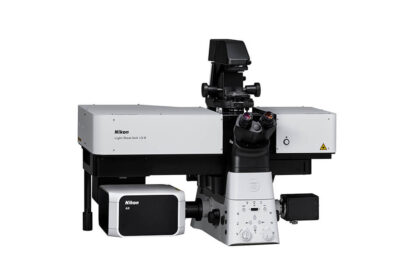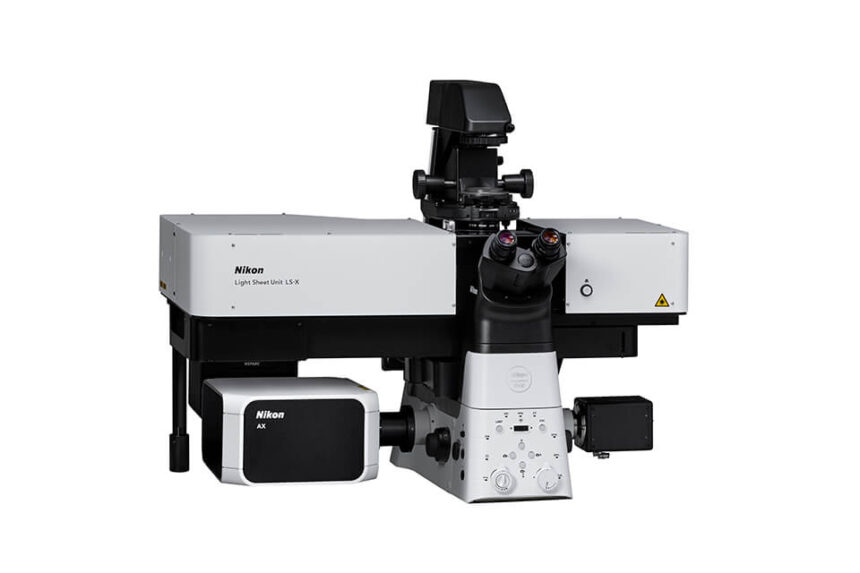
Nikon has announced the LS-X Light Sheet Unit, which adds 3D imaging of living and prepared specimens to compatible ECLIPSE Ti2-E inverted research microscopes.
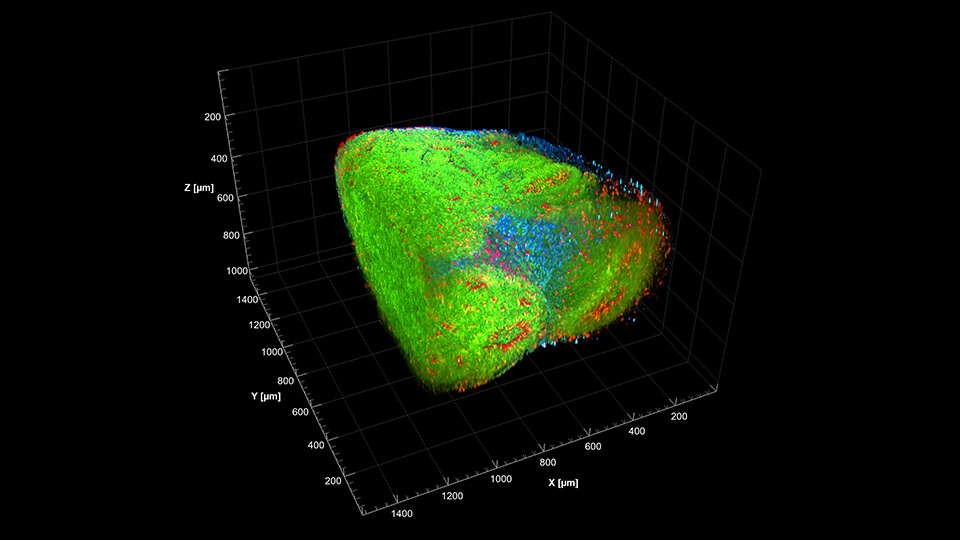
The unit is designed for applications ranging from tracking changes in living organoids to examining fine structures in samples prepared using expansion microscopy.
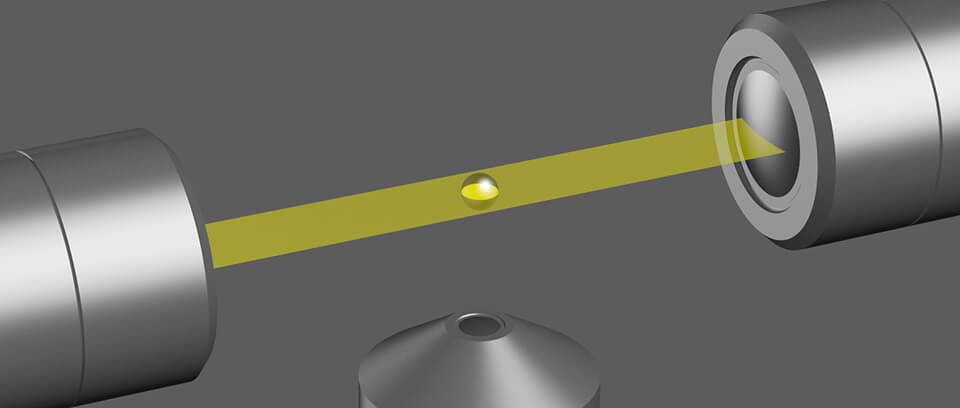
The LS-X illuminates a thin plane within the specimen from two sides. Restricting illumination to the region being imaged reduces background from out-of-focus areas and limits light exposure during repeated imaging, a function that is useful for time-lapse studies of living samples such as organoids and embryos. A dedicated incubator supports longer live-imaging experiments.
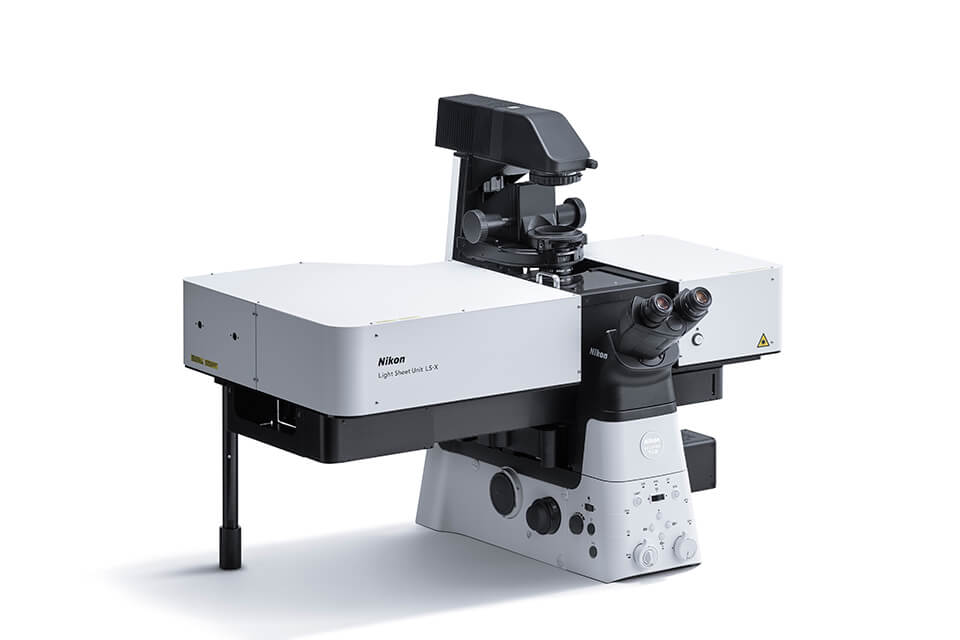
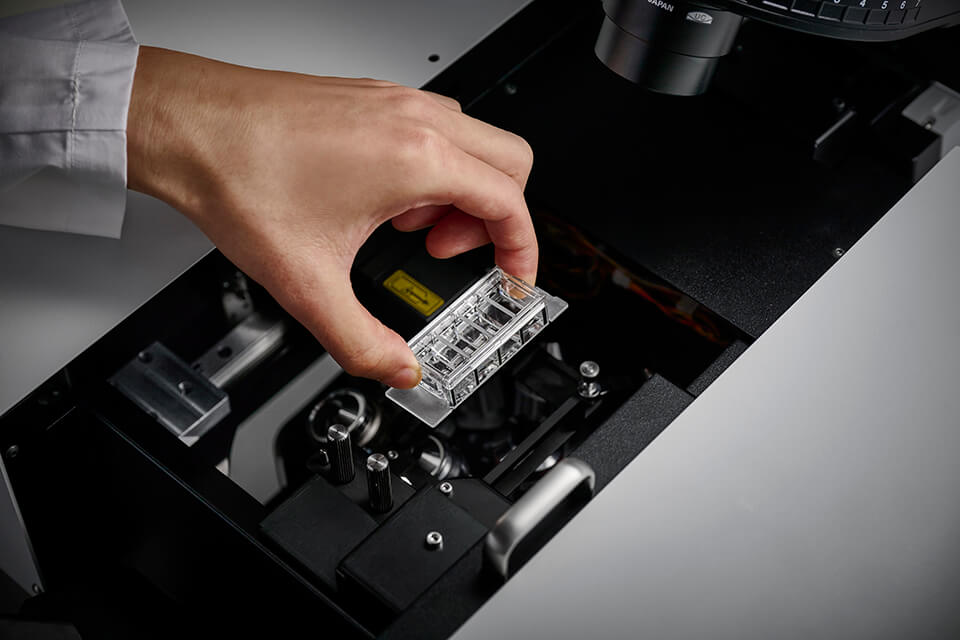
The Ti2-E platform can support light-sheet, confocal and epifluorescence imaging. Nikon’s dedicated multi-chamber slides support all three methods and allow researchers to culture, embed and image specimens in the same vessel. The company’s NIS-Elements software is designed to automate the optical alignment needed for light-sheet imaging, reducing manual setup.
Nikon plans to begin rolling out the LS-X from 30 November 2026, with availability varying by region.
Read more: Versatile light-sheet microscope reduces need for multiple specialist instruments