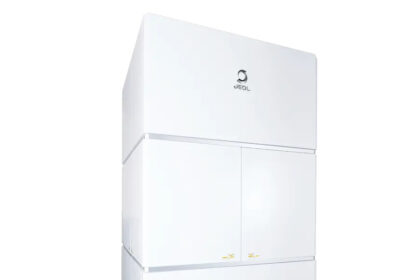
The EpiFinder GenomePro allows for the analysis of 24 samples in a single run
Epigenica AB has launched the EpiFinder GenomePro, utilising its platform for advanced epigenomic research.
The EpiFinder GenomePro allows researchers to simultaneously examine the landscape of histone post-translational modifications (hPTMs) and DNA methylation, with high throughput and cost efficiency.
The next generation of EpiFinder Genome, the EpiFinder GenomePro, includes enhanced reagents and shorter protocols, enabling the analysis of 24 samples in a single run. Researchers are also able to acquire robust quantitative data for 192 genome-wide Chromatin Immunoprecipitation Sequencing (ChIP-Seq) profiles for numerous hPTMs and DNA methylation from minimal sample volumes.
A flexible design allows researchers using the EpiFinder GemonePro to select their desired hPTMs with or without DNA methylation. The open-source data analysis pipeline enables streamlined data analysis with transparency and reproducibility.
Mohamad Takwa, CEO of Epigenica AB, said, "With EpiFinder GenomePro, we're setting a new standard in epigenomic research. Our vision is to provide a platform that delivers valuable insights, enabling researchers to tackle complex biological questions with unprecedented scale and depth."
EpiFinder GenomePro enhances research across therapeutic areas, helping decode the epigenetic mechanisms that influence disease onset, progression, and predict patient treatment response.
EpiFinder GenomePro provides high-resolution, comprehensive epigenomic data, enabling scientists to identify new biomarkers, map complex disease processes, and gain insights that support the development of targeted, precision therapies. Its versatility allows for the exploration of the entire range of epigenetic regulation, transforming discoveries into practical strategies for understanding and treating diseases.
Björn Reinius, associate professor at the Karolinska Institute with a research focus on gene dosage compensation, said, "The EpiFinder GenomePro kit offers an excellent method for labs with limited previous experience in ChIP-seq or similar methods to obtain high-quality ChIP-seq data – without significant time investment. With minimal optimisation, the protocol enables users to generate quantitative ChIP-seq libraries and to perform preliminary data analyses."