Everest promotes the exchange of information to advance EV science and its clinical applications in disease management
Liquid biopsy company Mursla Bio has been invited to join Everest, a European consortium aiming to advance extracellular vesicle (EV) research, innovation and clinical translation for the benefit of patients.
“As a leader in EV science and its clinical applications, we are pleased to have been selected to join the Everest consortium as an industry partner,” said Mursla Bio founder and CEO Pierre Arsène.
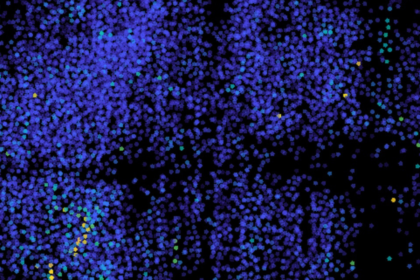
Evs are small, membranous structures released from cells that transport cellular components such as proteins, mRNAs, miRNAs, DNA and lipids across distances, influencing their environment. This can include a tumour microenvironment, which is why EVs can play a role in disease therapies.
The consortium is made up of 22 academic and non-academic organisations, as well as over 80 Marie Curie Scientific fellows across 11 European countries. It promotes the exchange of information to advance EV science and its clinical applications in disease management, including cancer.
“As the field of EVs is progressing rapidly, initiatives like Everest — which bring together academic and industry partners — are essential to facilitate the translation of scientific discoveries into clinical insights, said Mursla Bio CSO Dr Tomás Dias.
“The scientific exchange within the program will greatly benefit the field, with Mursla Bio contributing its expertise to channel the best of EV scientific innovations into clinical products.”
Mursla Bio will provide oversight on the work package scaling and commercialisation strategy EV disease surveillance and diagnostics. The company will also host researchers from European institutions and send staff members on secondments to other partners to contribute to the consortium’s exchange of information.
“Our cross-Atlantic expertise will guide the consortium in scaling up and commercialising clinically relevant products,” said Arsène. “Together we aim to shape the best of EV research into highly innovative clinical tests that will benefit millions of patients over the next decade.”
Mursla Bio’s biopsy technology has the accuracy and disease sub-typing capabilities of tissue biopsies, but with the non-invasive ease of liquid biopsy sample collection.
This is made possible by EV science and technologies such as organ-specific EV isolation from biofluids for precise targeting, an AI-enabled multi-omics workflow for disease biomarker identification and a scalable assay platform using optimal biomarkers for clinical use.
The Everest project, beginning January 2025, is co-ordinated by the University College Dublin and will receive funding from the European Union’s Horizon Europe research and innovation program under grant agreement No 101183034.