Biotechnology company CN Bio is helping drug developers reduce their costs and time to market
Drug-induced liver injury (DILI) is a common cause of drug withdrawal during late drug development as well as post-approval. The liver, a primary site of drug metabolism, is particularly susceptible to drug-induced injury. However, DILI can occur through several pathways, each involving different mechanisms.
Intrinsic DILI is generally caused when a drug, or its metabolites, cause damage at high doses. It poses the least risk and is the easiest to predict using traditional approaches owing to its dose-dependency and early onset. Traditional in vitro and in vivo animal studies are less able to predict more complex indirect or idiosyncratic effects that are latent in onset. The former is generally mechanistically related to the pharmacodynamics of the drug causing immune system, or metabolic effects, with some dose-dependency. The latter is more unpredictable and is often driven by genetic predisposition or underlying disease. These risks can pass undetected through development and early clinical trials, causing financial and reputation losses upon attrition. This poses the question – how can preclinical workflows be modernised to reduce DILI risk?
How understanding the mechanism of toxicity reduces risk
The safety toxicology toolbox requires modernisation through humanisation to understand how DILI is induced. Identifying potential issues earlier provides an opportunity to perform exploratory investigations to unlock the mechanism behind the cause. Previously, unlocking the cause has proven difficult as maintaining the key phenotypic and functional attributes of primary human hepatocytes is notoriously challenging. Now there is a path forward that offers the potential to recover good drugs by engineering out the flaws, terminating programs before the clinic, or delivering the foresight to manage liabilities and proceed with caution.
Humanised new approach methodologies (NAMs)
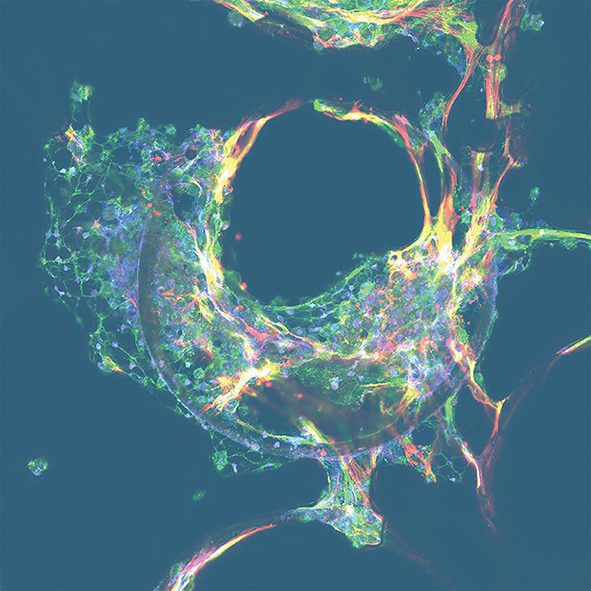
Liver-on-a-chip technology, or liver microphysiological systems, offer a sophisticated platform for studying DILI with greater accuracy and relevance to human physiology. These advanced in vitro NAMs replicate the complex 3D structure of the liver, including the arrangement of primary human hepatocytes and non-parenchymal cells, which are crucial for maintaining liver function and tissue-specific inflammatory responses. They are cultured under perfusion to simulate the liver’s microenvironment, including blood flow and shear stress, which are essential for promoting high metabolic activity and prolonged culture longevity to discover latent effects.
Liver-on-a-chip technology delivers deep mechanistic insights to elucidate the pathways through which drugs induce liver injury, such as oxidative stress, mitochondrial dysfunction, steatosis, dysregulation of bile acid synthesis or transport and importantly, immune-mediated damage to identify more indirect or idiosyncratic DILI events[1,2,3,4]. Additionally, by incorporating genetic variations and the presence or absence of common diseases such as metabolic disorders, these models can help to identify factors that increase susceptibility.
The PhysioMimix approach
CN Bio’s PhysioMimix DILI assay utilises liver-on-a-chip technology to deliver exceptional performance, according to the company, as exemplified in a study using reference compounds from the IQ MPS Consortium DILI validation set and human-specific gene-therapies (antisense oligonucleotides), which are less-suited to animal testing. The assay, cultured using PhysioMimix OOC Systems, delivered 100% sensitivity, 85% accuracy, and 100% precision, measuring six different biomarkers to produce a ‘signature of hepatotoxicity’, identifying hepatotoxicants that passed traditional in vitro tests [5].
CN Bio’s approach has been recognised by the US FDA CDER (Centre for Drug Evaluation and Research) group, which cited superior performance versus standard approaches in the first publication between the organ-on-a-chip (OOC) provider and the regulator [1]. Importantly, the utility of both the highly metabolically active hepatocytes and immune-competent Kupffer cells in the PhysioMimix assay were shown to be crucial in identifying hepatotoxic risk.
Recent technological advances have increased the assay’s throughput, enabling its use within lead optimisation, in addition to investigative toxicology, to justify the progression of promising drugs into in vivo studies by providing go/no go or reengineer decisions at the tipping point between discovery and development.
The importance of acting quickly
The process of discovering and developing drugs is inefficient and costly. Change is required to reduce attrition rates and improve return on investment. OOC technology is becoming a lab essential because it provides the capacity to flag more liabilities than before and better inform next-step decisions [6]. CN Bio aims to help clients future proof their safety toxicology workflows, starting with DILI research, to help them reduce cost and time spent on projects.
References
1. https://doi.org/10.1111/cts.12969
2. https://doi.org/10.1016/j.tiv.2022.105540
3. https://doi.org/10.1016/j.tiv.2017.09.012
4. https://doi.org/10.1124/dmd.116.074005
5. https://cn-bio.com/resource/human-liver-microphysiological-system-for-predicting-the-drug-induced-liver-toxicity-of-differing-drug-modalities/
6. https://doi.org/10.1038/s41573-022-00633-x
For more information visit: www.cn-bio.com