The aim is to selectively eliminate drug-resistant bacteria without harming the human microbiome
Antimicrobial resistance (AMR) is “one of the greatest threats to society, human and animal health and economic prosperity” according to the National Institute of Antimicrobial Resistance Research and Education (NIAMRRE).
AMR is a natural process that occurs when bacteria, parasites, viruses and fungi no longer respond to antimicrobial medicines. This makes infections harder to treat and consequently increases the spread rate. The process can be exacerbated by the overuse of antimicrobials to treat and prevent infections.
Increasing levels of AMR have been directly responsible for over 1m deaths per year since 1990. It is estimated that by 2050, over 39m people could die as a result of AMR.
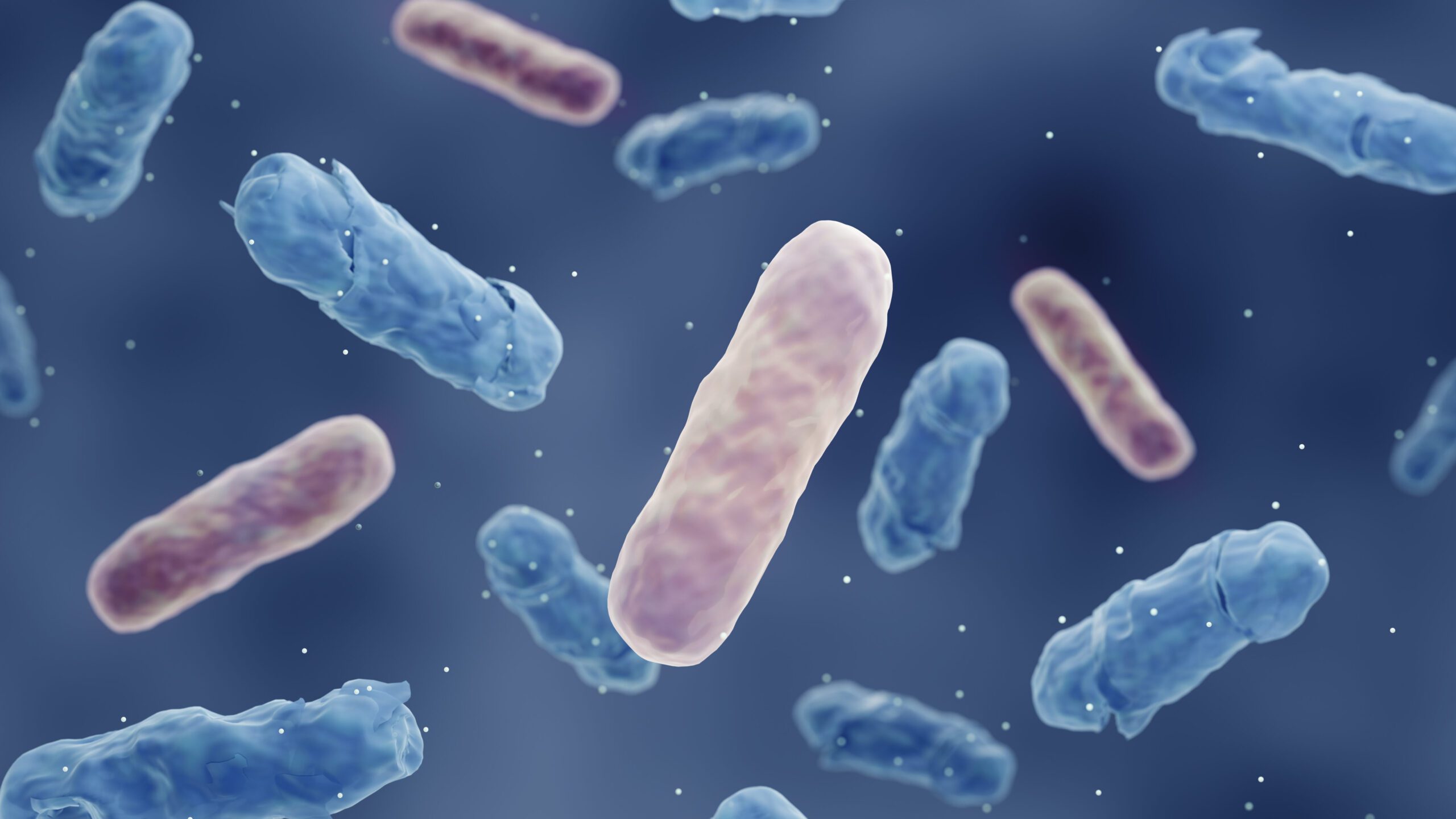
This is why increasing AMR levels are so alarming. The 2022 Global Antimicrobial Resistance and Use Surveillance System (GLASS) report discovered 42% resistance rate for third-generation cephalosporin-resistant Escherichia coli throughout 76 countries. Klebsiella pneumoniae is also showing unnerving levels of resistance against critical antibiotics, particularly cefixime at 53%.
With AMR considered one of today’s primary threats to the human race, it is vital that resources are funnelled toward developing a solution.
Pharmaceutical company Glox Therapeutics has been awarded a £1m grant for the development of precision antibiotic therapies.
“We are grateful to PACE for their support and recognising the groundbreaking potential of our unique technology,” said Glox Therapeutics CEO and cofounder Dr James Clark.
“AMR poses a significant threat to human health globally and this grant will enable us to expand our team and progress the development of our innovative engineered bacteriocins to help combat two of the most life-threatening pathogens.”
Glox Therapeutics is developing a class of antimicrobials based on proprietary protein bacteriocin engineering platforms, aiming to selectively eliminate drug-resistant bacteria without harming the human microbiome. This reduces side effects experienced by patients and eradicates the resistant bacteria.
The funding will accelerate the funding of Glox Therapeutics’ antibiotics specifically targeting drug-resistant pathogenic bacteria Escherichia coli and Klebsiella pneumoniae.
Escherichia coli and Klebsiella pneumoniae are multidrug-resistant pathogens that cause many serious conditions, such as pneumonia, blood stream infections and recurrent urinary tract infections. They are associated with high levels of AMR-related mortality.
The initial focus of the treatment development will be on hospital and ventilator-associated pneumonias.
“PACE will support Glox Therapeutics to generate the essential data packages needed to position the project for onward funding, investment and development,” said PACE programme director Dr Beverley Isherwood.
“We are delighted to welcome Glox Therapeutics into the first cohort of PACE-funded projects with their novel platform to develop precision antibiotics.”