This consortium harnesses holistic technology to increase precision
Five Asian-Pacific centres are collaborating to improve the diagnosis and treatment of subfertility and recurrent pregnancy loss (RPL).
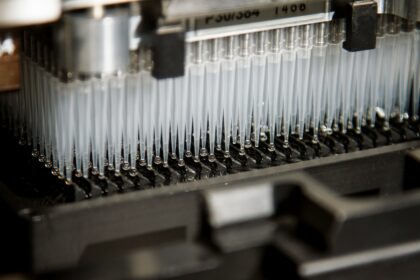
Using biotechnology company PacBio’s HiFi Revio long-read sequencing, scientists will form an accurate understanding of the relevant genomes and share that information using software develop DNAstack’s federated data platform. This platform allows all organisations to organise, analyse and share data without having to move it, protecting sensitive the genomic information.
Led by KK Women’s and Children’s Hospital (KKH) in Singapore, the alliance has been named the HiFi Solves Sub-Fertility Consortium.
“The formation of the HiFi Solves Sub-Fertility Consortium is a significant step forward in fertility research,” said Christian Henry, the president and chief executive officer of PacBio. “By bringing together leading experts and leveraging the power of HiFi sequencing along with DNAstack’s federated data platform, we are poised to make substantial advancements in the diagnosis and treatment of subfertility and recurrent pregnancy loss.”
The consortium will last through the end of 2025 and introduces a phased approach recruiting patients for advanced sequencing, bioinformatics analysis and the validation of results.
The aim is to optimise the diagnostic process for patients, reducing the stress they experience while undergoing lengthy assisted reproductive technology processes. By introducing PacBio HiFi sequencing technology, the consortium will branch away from traditional methods such as karyotyping, chromosomal microarray, and whole-exome sequencing.
Instead, HiFi sequencing will use a high-resolution approach that comprehensively identifies complex chromosomal rearrangements and sub-microscopic abnormalities that other technologies can miss. Because multiple genetic factors may be involved in subfertility and RPL, a holistic approach a using more precise characterisation of chromosomal changes that will lead to more accurate results.
Ultimately, these strides will lead to improved conception rates and healthier pregnancies, potentially changing clinical practices globally.
Subfertility affects one in six people, while RPL affects up to 2% of women. Not only do these conditions cause immense psychological distress, but they are also a drain on finances.
Under the leadership of associate professor Saumya S. Jamuar, the consortium battling these challenges includes: Professor Vorasuk Shotelersuk from the Centre of Excellence for Medical Genomics at Chulalongkorn University in Thailand, professor Ming Chen from Changhua Christian Hospital Medical Centre in Taiwan, assistant professor Jee Soo Lee from Seoul National University College of Medicine (SNUCM) Laboratory Medicine in South Korea and associate Professor Sohyun Hwang, CHA Bundang Medical Centre, CHA University School of Medicine in South Korea.