The blood-based IVD test can quantify two key biomarkers in plasma implicated in the neurodegenerative process of Alzheimer’s disease
The FDA has expedited the development and review of a blood test by Beckman Coulter Diagnostics, designed to identify patients with amyloid pathology associated with Alzheimer's disease.
“Focusing on shortening the time it takes to bring innovative assays to clinicians and patients is a core tenet of Danaher Diagnostics,” said Paul Beresford, neurology and franchise head of Beckman Coulter’s parent company Danaher Diagnostics.
“We believe that by taking such a disease-focused approach, Danaher Diagnostics and its operating companies are able to develop more innovative and patient-friendly clinical solutions.”
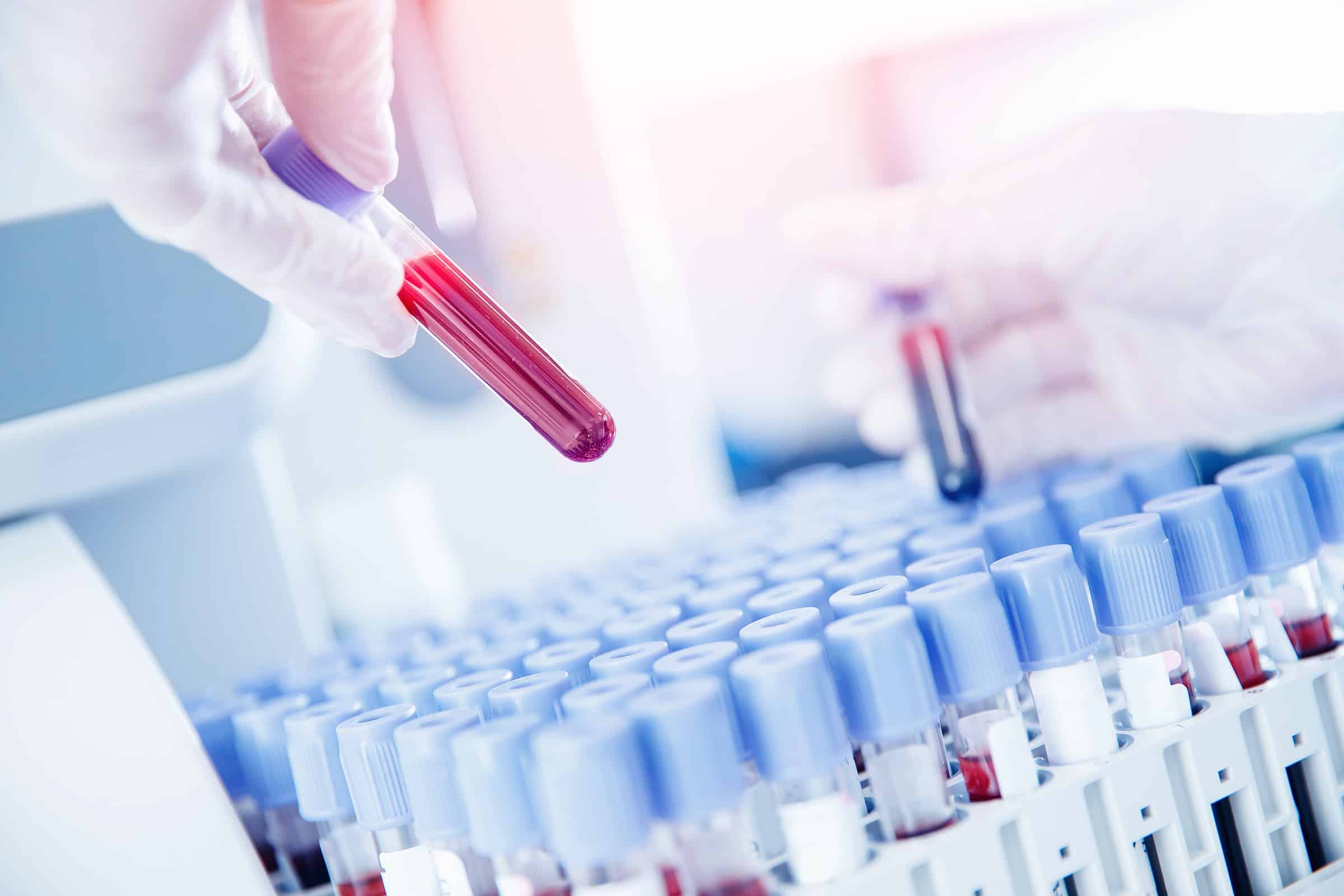
The Access p-Tau217/β-Amyloid 1-42 plasma ratio blood test measure the ratio of phosphorylated tau protein (p-Tau217) to β‑Amyloid 1-42, two key biomarkers implicated in the neurodegenerative process of Alzheimer’s disease.
A blood-based IVD test that can quantify these biomarkers in plasma could offer an accessible, non-invasive and earlier method of identifying Alzheimer’s-related pathology, possibly even prior to the manifestation of symptoms.
Early diagnosis could help to encourage timely intervention, improving individual lives advancing research.
The FDA expedited the development and review of Beckman and Coulter’s blood test through the Breakthrough Device Designation programme. This programme accelerates the development and review of medical devices offering significant advancements in treating or diagnosing life-threatening or debilitating diseases.
“We are honoured to receive Breakthrough Device Designation from the FDA for our p‑Tau217/β-Amyloid 1-42 assay, a significant step forward in addressing the urgent need for earlier and more accurate detection of Amyloid pathology,” said Beckman Coulter senior vice president, general manager, clinical chemistry and immunoassay Kathleen Orland.
“This designation reflects the potential of our test to transform how Alzheimer’s disease is diagnosed and managed, ultimately leading to improved outcomes for patients and families affected by this devastating disease."