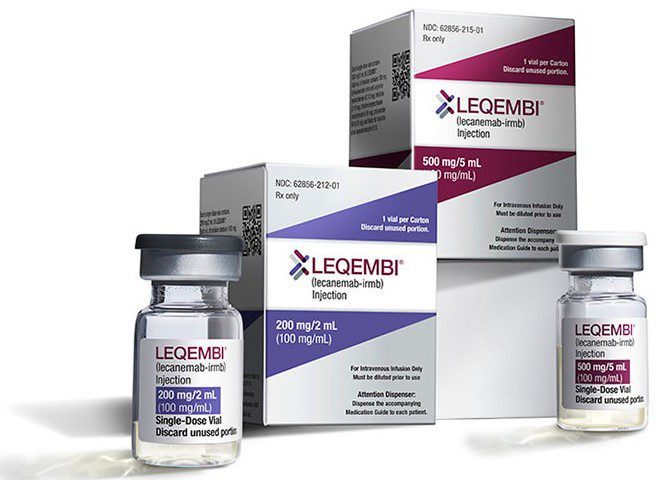
The medication designed for mild cognitive impairment or mild dementia due to Alzheimer’s.
The European Commission has granted the amyloid-beta monoclonal antibody Leqembi Marketing Authorisation in the European Union.
The medication was developed by pharmaceutical company Eisai and biotechnology company Biogen.
“Today’s decision makes Lecanemab the first treatment option in the EU that can slow the progression of early Alzheimer's disease,” said Eisai CEO Haruo Naito.
The medication targets an underlying cause of Alzheimer’s. It is specifically designed for mild cognitive impairment or mild dementia due to Alzheimer’s, who are apolipoprotein E ε4 non-carriers or heterozygotes with confirmed amyloid pathology.
Apolipoprotein E is a protein involved in the metabolism of lipid in humans and is implicated in Alzheimer’s disease.
Lecanemab preferentially binds and clears toxic protofibrils and targets and reduces Aβ plaques. Protofibrils are a key toxic form of Aβ that accumulate in the brain and injure neurons. They have a significant role in the cognitive decline resulting from Alzheimer’s disease.
“Lecanemab is the first treatment which showed that the reduction of the Aβ plaques in the brain is associated with the slowing of cognitive decline in patients at the early stage of the disease,” said Biogen president and CEO Christopher Viehbacher.
Mild cognitive impairment due to Alzheimer’s disease and Alzheimer’s disease dementia currently impacts around 15.2m and 6.9m people in Europe, respectively.