New research exploring a wireless implantable device designed to improve photodynamic therapy (PDT) for cancer treatment, with a focus on bladder cancer, has found that the device can successfully generate the key molecules needed to destroy cancer cells
By delivering light directly inside the body without wires, the system helps overcome limited light penetration in traditional PDT and offers a step toward more precise, less invasive treatments in the future.
Cancer treatment efficiency depends on how effectively the treatment reaches and targets the cancer. One approach is PDT, which uses a light-sensitive drug that destroys cancer cells when activated by a specific wavelength of light.
PDT can target cancer cells more precisely, helping to reduce damage to the surrounding healthy tissue. Despite these advantages, light cannot easily travel deep into the body, making it difficult to treat cancers beneath the surface.
This latest research was driven by the need to overcome this limitation and make PDT more effective for internal cancers, such as bladder cancer, where reaching the treatment area effectively is critical.
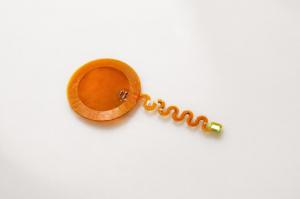
To achieve this, researchers developed a small, implantable device that can deliver light inside the body. The device is powered wirelessly and contains tiny light-emitting components that generate the light needed to activate the therapy where it is required. Wireless power enables it to operate without physical connections, making it more practical and less invasive.
The system was tested in a controlled laboratory setup designed to mimic human tissue. The results revealed that the device could deliver enough energy to successfully activate the treatment process. The researchers also showed that the device is robust and can be manufactured using scalable methods, which is important for future medical use.
This research is a significant step towards improving PDT. By combining wireless power technology with miniaturised light delivery, it unlocks new possibilities for treating hard-to-reach cancers in more precise, effective, and less invasive ways.
The research also supports the shift toward more personalised medicine, in which treatments are better tailored to each individual. In the future, similar devices could reduce the need for hospital visits and complex procedures, lowering healthcare costs and improving quality of life.
The next stage is to test the system in more realistic biological settings to ensure it is safe, reliable, and effective, including further studies before moving toward clinical use. Researchers will also continue to improve the design, making it more efficient and fully compatible with the human body, and adding sensors to monitor treatment in real time to make it even more effective.

Dr Rolan Mansour’s research integrates engineering and healthcare to develop innovative biomedical technologies. The group designs implantable and wearable devices, wireless power systems, and smart sensing platforms to improve disease diagnosis and treatment, including cancer. Combining expertise in electronics, materials science, and device engineering, they create compact, biocompatible solutions.