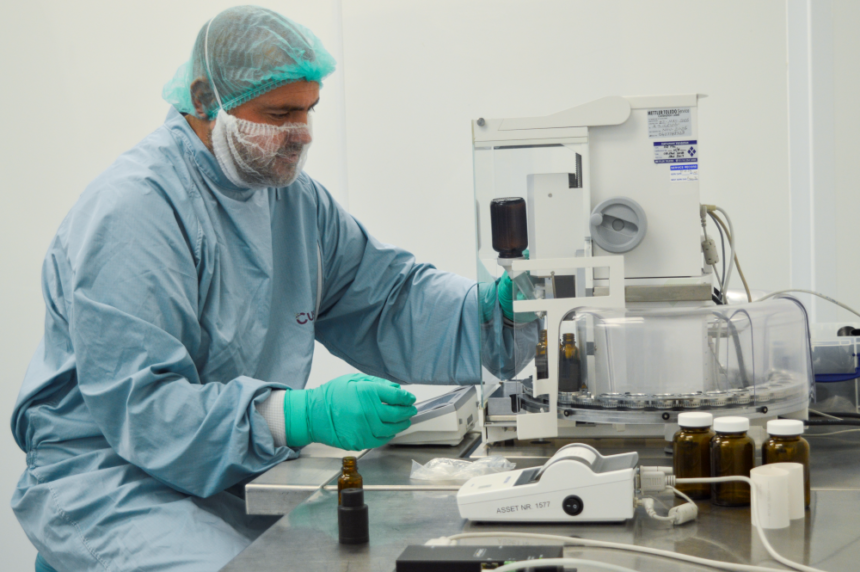
UK CDMO Centrix Pharma Solutions has partnered with the University of Sussex to improve pharmaceutical product development.
The collaboration will use advanced data analytics and predictive modelling to enable smarter, data-driven decision-making.
“The pharmaceutical industry generates an enormous amount of valuable data throughout product development, but there is still significant untapped potential to use that information more effectively. We recognised an opportunity to combine our pharmaceutical expertise with advanced data analytics to make better-informed decisions throughout the development process,” said Centrix CEO Chris Davison.
“The knowledge transfer partnership gives us access to specialist academic expertise while embedding those capabilities within our business. This project represents an exciting opportunity to apply advanced data science techniques to a real-world pharmaceutical development challenge. Beyond the immediate project, we’re creating a long-term capability that will benefit both our team and our clients, helping us deliver more efficient development programmes.”
As pharmaceutical development becomes increasingly data-rich, companies generate formulation, analytical and process data throughout development programmes. However, information is often fragmented across projects and systems. Such fragmentation can limit the data’s use in identifying trends, predicting outcomes and informing future development strategies.
As a result of data fragmentation, critical decisions such as formulation selection, dosage form optimization and development pathway planning often rely on manual analysis and individual experience. Manual techniques can increase the risk of costly rework, delays and suboptimal programme outcomes.
Supported by Innovate UK, the £375,000 project will help Centrix develop new capabilities to analyse and interpret datasets, initially focusing on early-stage product development.
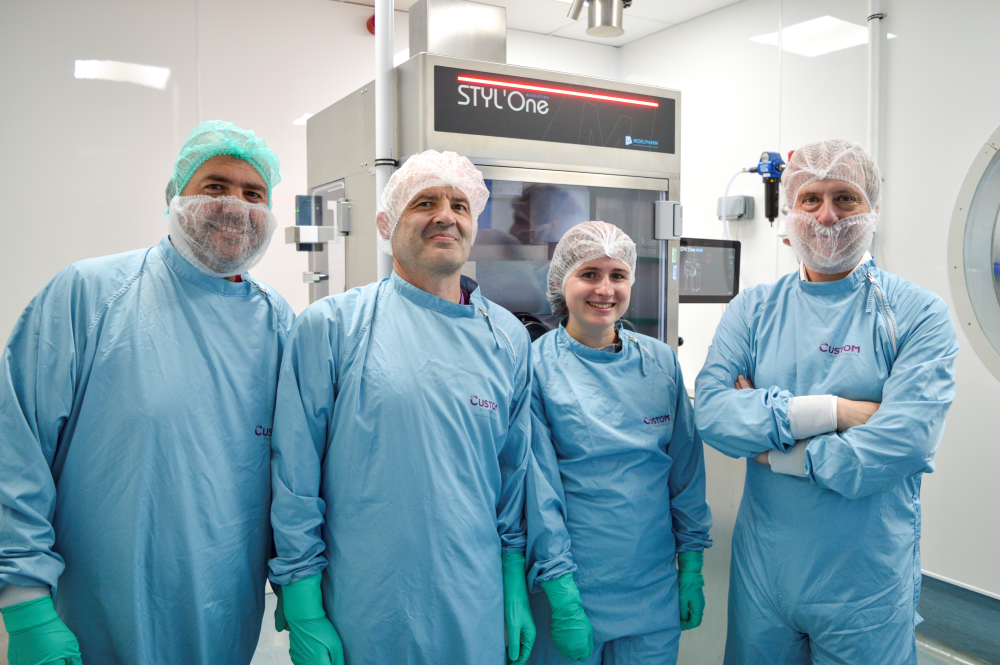
“Knowledge transfer partnerships bring together academic expertise and real-world industrial challenges. Our ambition is not only to solve today’s challenges but also to establish new ways of working that continue delivering value and innovation long after the project has concluded,” said Kate Thorpe, head of innovation and business partnerships at the University of Sussex.
The project aims to create new data-driven tools and methodologies that help identify development risks earlier, reduce unnecessary experimentation, improve confidence in decision-making and accelerate the progression of promising medicines from development to clinical evaluation.