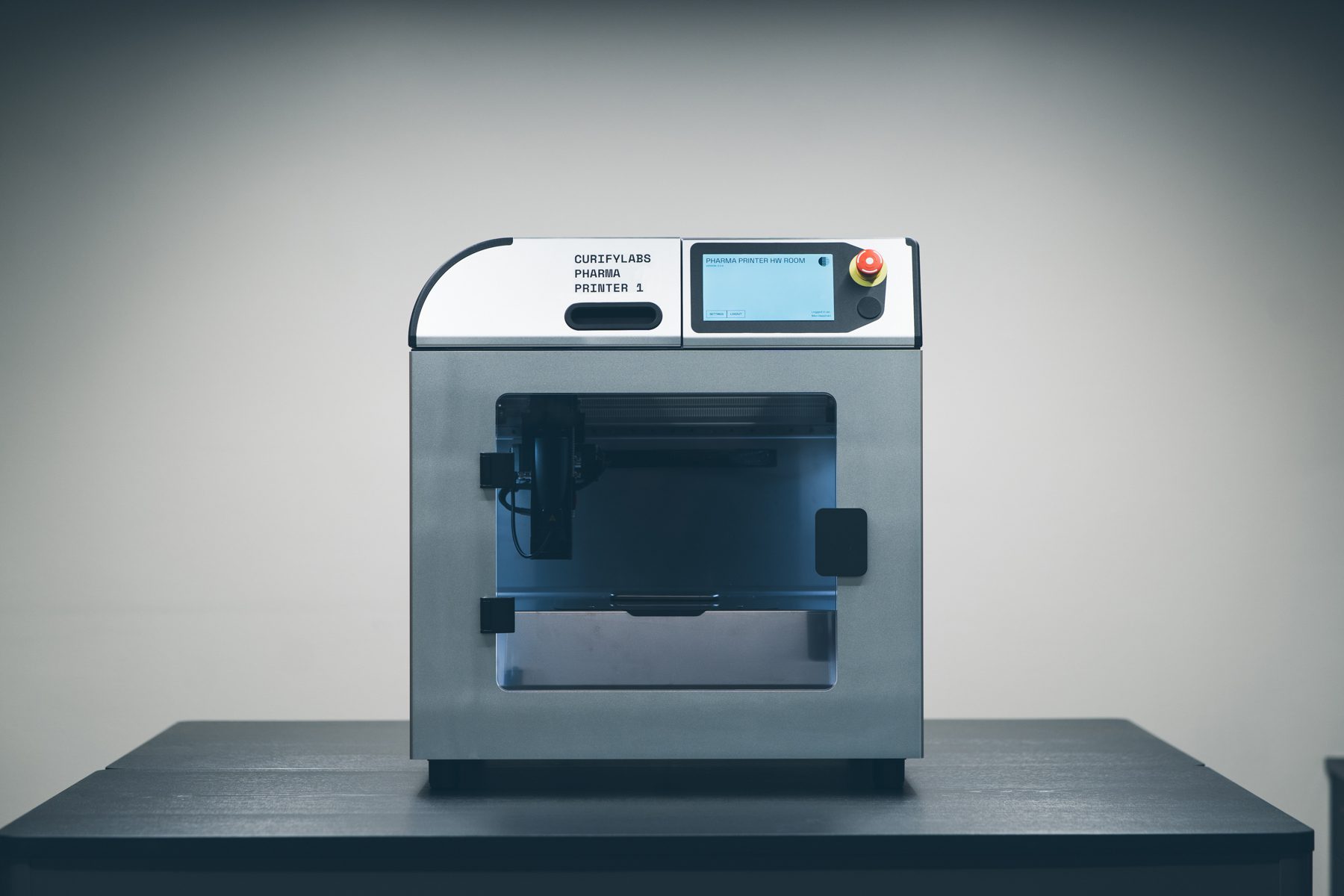
The 3D printers are being delivered this month to produce tablets for next year
3D printing has been creeping into the foreground of medicine, with Dr Seng Han LIM (Ph.D.) of Craft Health introducing personalised vipro-head 5 3D printing tablets only two years ago.
This year, Boston Micro Fabrication (BMF) also explored how 3D printing in medicine is reshaping traditional practices. For example, it could even help surgeons precisely replace cancerous tissue with health tissue during the removal of tumours.
In May, BMF helped to advance 3D printing by participating in a grant-funded projected called “Dial Up”, which aims to streamline the 3D printing process. BMF created microstructures with cell-relevant features to explore how the use of topography can advance personalised surgical techniques like bone grafts and drug development like biomedicines.
Personalised drug dosages allowing flexible shapes and structures can enable more precise dosing, reducing waste and encouraging sustainability. This is what drug Swedish manufacturer Apotek Produktion & Laboratorier (APL) hopes to improve about its processes by teaming with CurifyLabs, a Finnish health technology company exploring personalised medicine manufacturing solutions.
“APL has demonstrated its strong capabilities in extemporaneous medicines with high quality and consistency, which will be critical to accelerating our development efforts together,” said Charlotta Topelius, the chief executive officer at CurifyLabs. “We look forward to combining our strengths to create even greater value for patients needing personalised medicines.”
Aiming to improve the administration of medicine to children and critically ill patients, APL will reduce the risk of strain injuries and exposure to toxic substances by using 3D technology to create precise doses instead of its usual 100+ capsules per batch.
“We are very impressed with CurifyLabs’ commitment to supporting us on our journey to address the urgent unmet needs of critically ill patients,” said Erik Haeffler, the chief executive officer at APL. “3D printing is an exciting technology that is well-suited to extemporaneous manufacturing. It will give us additional opportunities to fulfil our public policy assignment.”
By 2025, the Swedish market can expect to see fully compliant and validated 3D-printed medicine, with the first 3D printers to be delivered in September 2024.